
English| USD
Suggested for you
More currencies
Choose a language
A short drive from Addis Ababa reveals one of Ethiopia's most significant religious sites, perched on the edge of a sheer canyon. This day trip to debre libanos guide outlines the logistical facts needed to navigate the northern highlands, spot endemic wildlife, and experience the scale of the Jemma River valley. Planning a historic monastery tour requires understanding local customs and the distinct geography of the region.
Quick answer
Embarking on a day trip to Debre Libanos requires zero official entrance fees (0 ETB), though giving a modest local donation is customary. The complex welcomes visitors daily from 07:00 to 18:00. Aim for an arrival window between 07:00 and 10:00 to avoid the midday heat and allow comfortable conditions for exploring the adjacent gorge terrain.
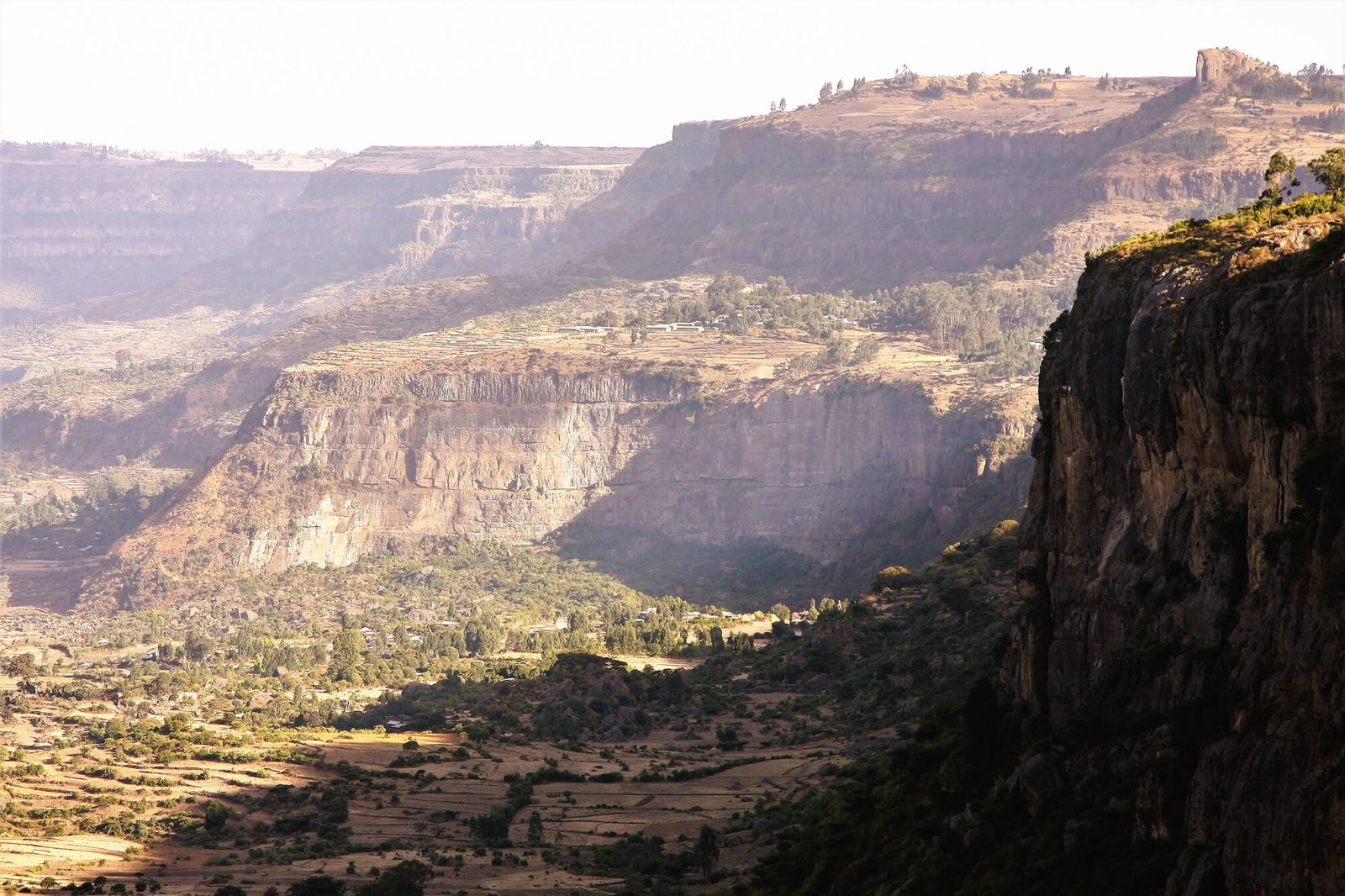
The gorge adjacent to Debre Libanos plunges more than 1,000 meters deep, nearly rivaling the Grand Canyon in sheer drop, yet it represents just a fraction of the region's geological fractures. The site sits approximately 100 kilometers northwest of the capital in the North Shewa Zone of the Oromia Region. It is intrinsically tied to Saint Tekle Haymanot, the thirteenth-century monk who founded the original religious settlement. For modern visitors, a day trip to debre libanos offers a dual experience: delving into deep-rooted Ethiopian Orthodox traditions and standing at the precipice of a massive topographical divide. The modern church, commissioned by Emperor Haile Selassie, stands as a major pilgrimage epicenter positioned against the vertical cliffs of the Shewan plateau. Beyond the ecclesiastical boundaries, this northern Ethiopia excursion introduces travelers to highly specialized biodiversity. The high-altitude ridges surrounding the complex serve as a natural sanctuary for troops of gelada baboons, identifiable by the bright red patches on their chests. These endemic primates frequently graze along the escarpment edges, perfectly adapted to the steep terrain. Exploring the area typically involves navigating uneven, rocky paths that lead toward the historic Portuguese Bridge, a stone structure arching over a narrow, seasonal waterfall. Understanding this rugged environment is crucial for anyone embarking on a Blue Nile Gorge sightseeing journey, as the elevation drops rapidly from the highland plains into the fractured valley below. While the physical environment demands sturdy footwear and an appreciation for high-altitude exposure, the cultural atmosphere requires a respectful and measured approach. The surrounding limestone landscape is dotted with hidden caves where hermits and monks still retreat for isolated prayer, maintaining a centuries-old ascetic tradition. Integrating these historical and natural elements ensures that a day trip to debre libanos transcends a simple scenic drive. Visitors who approach the plateau with an understanding of its religious gravity and ecological fragility leave with a comprehensive view of the country's complex highland heritage, long before returning to the urban density of the capital.
“The high-altitude ridges surrounding the complex serve as a natural sanctuary for troops of gelada baboons, identifiable by the bright red patches on their chests.”
The best arrival window for a day trip to Debre Libanos is 07:00–10:00. Arriving during this period avoids the peak midday heat and provides the clearest visibility for viewing the Blue Nile Gorge.
Cool, clear skies (15°C–25°C). Stable weather makes this the optimal season for hiking and gorge photography.
Humid, frequent rain (15°C–22°C). High rainfall can obscure views and make trails near the gorge slippery.
—
Early arrivals experience quieter paths and lower temperatures before the heat intensifies midday.
Verdict: The best time for a day trip is Tuesday to Thursday, arriving between 07:00 and 10:00 during the dry season months of October or November.
The monastery and surrounding area of Debre Libanos are open to visitors throughout the week. Access is available daily during the following hours.
Debre Libanos is located in the North Shewa Zone of the Oromia Region, approximately 100-110 km northwest of Addis Ababa. The most direct approach is by road via the Addis Ababa-Goha Tsion highway.
Addis Ababa-Goha Tsion Highway (Route 3) from Addis Ababa
Private hire from Addis Ababa to North Shewa Zone
Public bus from Addis Ababa North Bus Station (Autobis Terra) to Debre Libanos
The best arrival window is 07:00–10:00. Arriving early avoids peak midday heat and provides sufficient time to explore the gorge views and hiking paths.
This full-day plan balances historical exploration with light hiking along the escarpment. The sequence requires about six hours on-site, complementing the drive to and from the capital.
Start your visit at the modern church and adjacent museum to view religious artifacts. A local guide can explain the architectural details and the site's historical significance.
Walk up the hillside path to the cave where Saint Tekle Haymanot prayed. The route includes steep stone steps and takes about 20 minutes each way.
Proceed to the cliff edges overlooking the valley. This area provides extensive views of the landscape and opportunities to observe endemic Gelada baboons foraging in the grass.
Follow the trail to the historic stone bridge spanning a small tributary waterfall. The short walk covers uneven rocky terrain, requiring sturdy footwear.
Stop for a meal at a nearby lodge overlooking the valley. Many visitors utilize the nearby Ethio-German Park Hotel for its open terrace and direct gorge views.
Begin the 110-kilometer drive back to the capital. Leaving in the early afternoon helps avoid heavy commercial traffic as you re-enter the city limits.
Debre Libanos is an active monastery and pilgrimage site where modest dress and respectful conduct are expected. Visitors should observe religious customs and show consideration for worshippers and monks.
Everything you need to know about day trip to debre libanos
A day trip to debre libanos offers a chance to explore an important Orthodox Christian monastery and nearby natural landmarks. It is located in the North Shewa Zone of the Oromia Region, approximately 100-110 km northwest of Addis Ababa.
The entrance fee is 0 ETB, meaning there is free entry to the site. While local donations for the monastery are common, they remain entirely optional for visitors.
The best arrival window is 07:00–10:00 to avoid peak midday heat and enjoy the gorge views. Arriving early provides ample time for hiking and exploration before the afternoon sun intensifies.
Yes, the site is open every day of the week, including Saturday and Sunday, from 07:00 to 18:00. This flexible schedule allows for easy planning of your church and nature exploration.
This excursion is generally family-friendly, though the terrain around the gorge can be rugged and steep. Parents should ensure children have appropriate footwear for walking on uneven paths near the cliffs.
While you can reach the destination in a few hours, most travelers spend a significant portion of the day to fully appreciate the monastery architecture and canyon vistas. Detailed sequencing of your stop is recommended to maximize your time.
A common mistake is arriving too late in the day, which forces a rushed visit during the hottest hours. Planning your day trip to debre libanos with an early start ensures you avoid the crowds and the strongest sun.